Pedal height is the whole specification
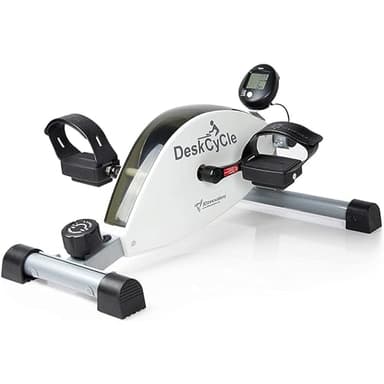
A seated under-desk machine has one hard constraint and it is vertical. Your knee travels through the top of the pedal stroke, and if the underside of your desk is lower than that, the machine is unusable — not uncomfortable, unusable. Everything else (resistance levels, app tracking, display) is a preference. This one is pass or fail.
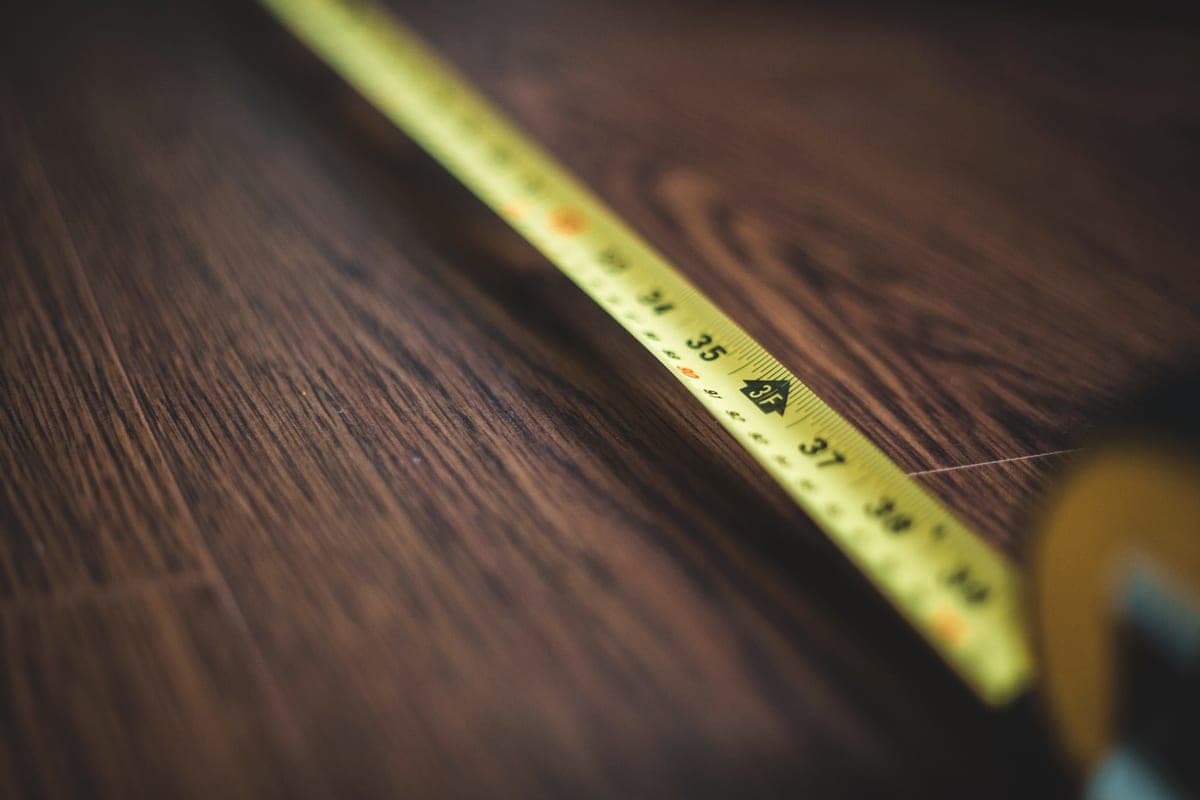
The machines that publish a figure sit at about 10 inches overall height. That is not the same as required clearance: your thigh sits above the pedal, so the practical requirement is more like the machine’s height plus your own seated thigh-to-knee travel. A standard desk is 29 to 30 inches to the surface and roughly 27 to 28 inches to the underside of the apron. We do that arithmetic properly here, with the four measurements you need first.
Bike versus elliptical, honestly
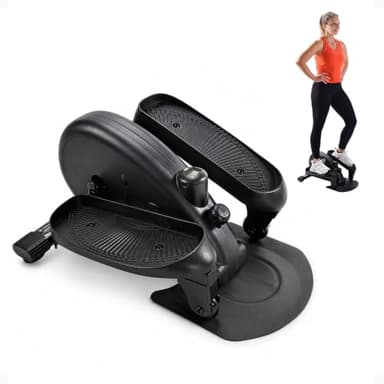
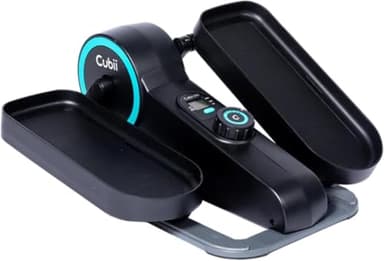
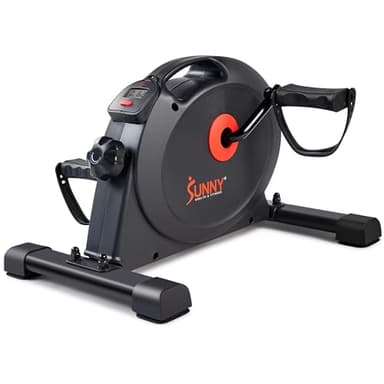
A pedal exerciser moves your foot in a circle. An under-desk elliptical moves it in a flattened oval, which keeps the knee lower through the stroke. For a given amount of desk clearance, the elliptical path is usually the more forgiving one — which is the real argument for it, rather than any claim about calorie burn.
The catch is capacity. One of the most popular under-desk ellipticals publishes a 150 lb maximum user weight, which is the lowest limit of any machine on this site and rules it out for a large share of buyers. It is published, it is easy to miss, and it is on our comparison table for exactly that reason.
The specifications this category does not publish
Seated machines are, if anything, worse documented than walking pads. Across the ones we track we found listings with no pedal height, no product weight, no user weight limit and no dimensions at all — for a product whose entire selling point is that it fits somewhere specific.
We say so in the tables rather than filling the gaps. A machine that does not publish its pedal height gets “not published” in that cell and a note in its cons list, because on this product that omission is not a detail — it is a refusal to answer the only question that matters.
Where a walking pad is still better
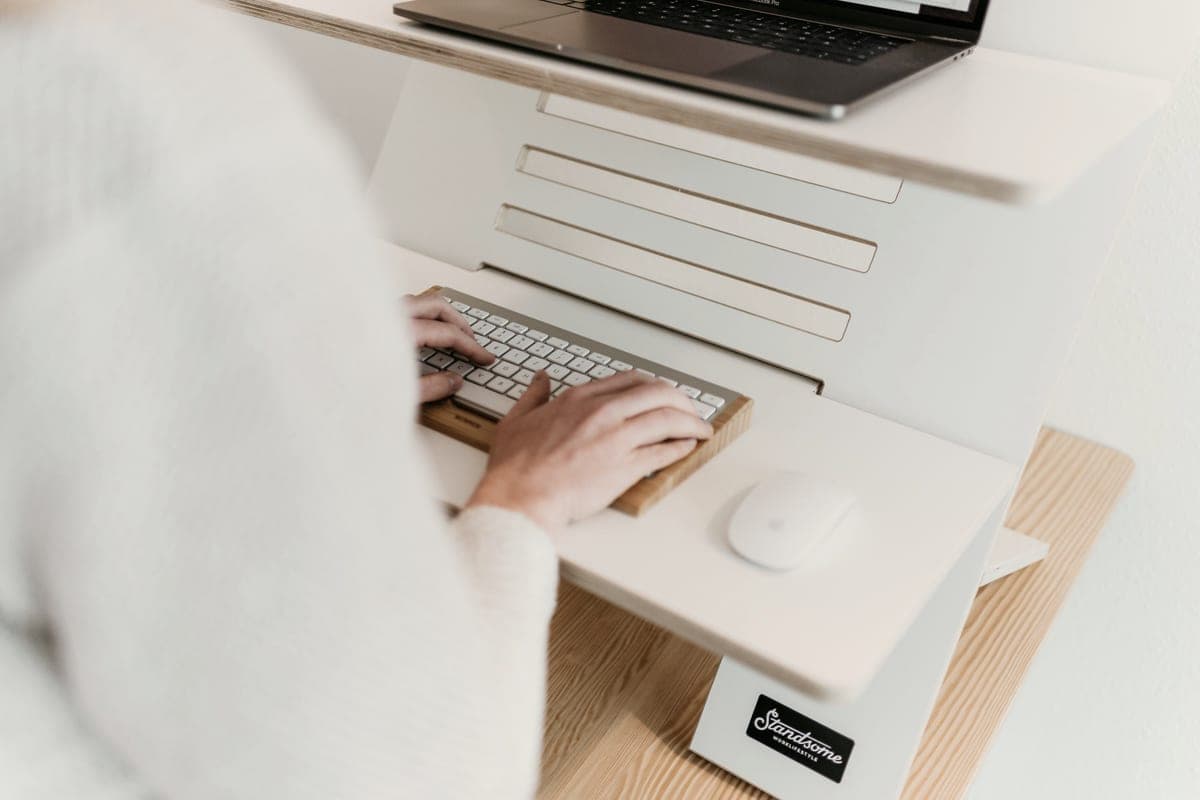
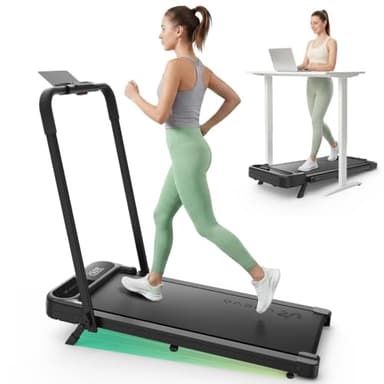
If you have floor space and somewhere to store it, take the walking pad. Standing and walking recruits far more of you than seated pedaling, and the whole appeal of under-desk cardio is that it happens during hours you were going to spend sitting anyway — which standing already improves before the belt starts moving.
The seated machines win on three specific constraints: no storage space at all, a desk that does not raise, or a floor situation where footfall noise is genuinely not negotiable. The direct comparison is here.