How to Choose a Walking Pad
Not a ranking - the elimination procedure. Four things to measure in your own room, five published figures read in the order that removes the most machines, and three figures nobody in this category publishes.
The questions that decide the purchase — how loud, how much space, will the lease allow it, is it worth it at all — answered with numbers and their sources.
By Stephen V. · Last updated
Four questions decide almost every walking pad purchase, and none of them is “which model”. They are: how loud is it really, how much space does it actually need, will my building and my lease tolerate it, and is any of this worth the money and the floor space.
Each of those has a numeric answer, or at least a numeric floor. These guides go and find it. Where the number exists, it is here with a link to where it was published. Where nobody publishes it, that is stated plainly, because in this category the absence is frequently the most useful finding.
The dimensions table is the one to bookmark. It is the source every other page on this site computes from, and nobody else in the category has compiled it.
Not a ranking - the elimination procedure. Four things to measure in your own room, five published figures read in the order that removes the most machines, and three figures nobody in this category publishes.
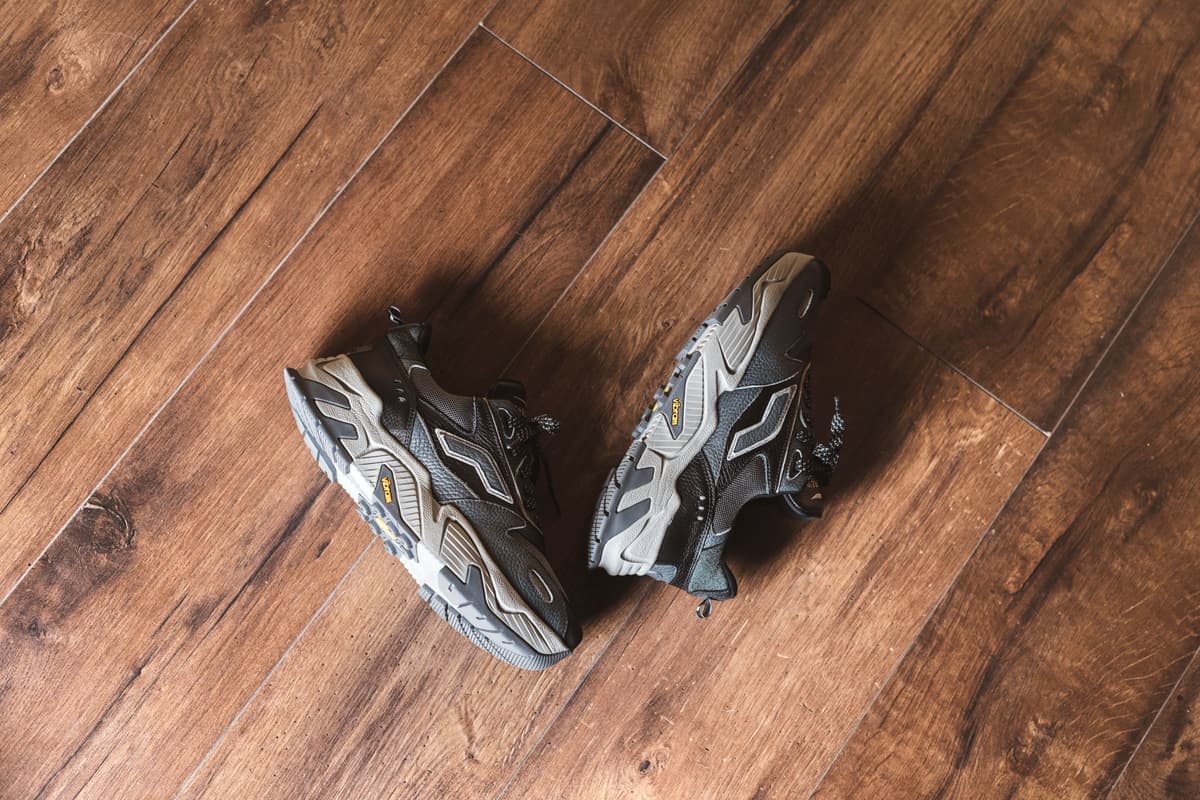
One maker manual answers this in four words. The brand FAQ does not mention footwear at all. What the belt widths, the missing handrails and the lubricant warning imply for what you put on your feet.
The full sourced dimension table — open, folded, belt and weight — for every model on this site, in one place.
The motor is rarely the problem. Footfall through the floor is. Here is which makers publish a decibel figure, and what those figures leave out.
The floor it uses, the clearance behind it, and where it goes when you are done — with the numbers for every model we track.
Yes, with three conditions — the floor, the hours and the lease. What each one means in practice, and what to do about the neighbor below.
The honest version, scoped to someone without a spare room: what it replaces, what it costs in floor space, and when the answer is no.
Usually yes, with a rigid board under it. Why carpet is a heat and stability problem rather than a noise one, and what the manuals actually say.
The speed you can actually type at, where the desk has to sit, and the four habits that decide whether the machine is still out in six months.
Every published capacity on this site in one table, what the number does and does not cover, and the one machine whose limit is 150 lb.
Slipping is tension, drifting is tracking, and they are adjusted by the same two bolts in opposite directions. The order to do it in.

Lubrication, belt tension, and the dust under the deck. A short honest list, plus what the makers say about how often.
A definition with numbers behind it: no handrail, a short deck, a low top speed, and a folded size that is the entire reason the category exists.
The pace you can type at is lower than you think, and the machines differ most at the bottom of the range rather than the top. Every published range, in one table.
What actually changes as the price goes up — and it is mostly the specification sheet, not the motor. Live prices for every machine we track.
No handrail, a short deck and a belt that starts under you. The failure modes are specific and so are the habits that prevent them — plus shoes, socks and bare feet.
No. And you can see why from the arithmetic: the machine knows your speed and your time, and nothing else about you. What it can and cannot know.
The honest arithmetic on desk walking: what a realistic day actually adds, why the number is smaller than the marketing, and why it can still be the one that works.
A new noise is a symptom with a short list of causes. Which sound points at which part, what to check first, and the one that means stop using it.
One machine on this site reaches jogging speed, and it has the shortest belt of the full-size pads. Deck length against stride is the whole answer.
The public guidance is written in minutes per week, not minutes per session. What that means at desk pace, and why the machine has no opinion about it.
It depends entirely on the pace, and desk pace sits at the bottom of the range. What the published activity guidance says, applied to a machine you type at.
We are not clinicians and this is not medical advice. What we can do is separate what these makers publish about their decks from what they claim about them.
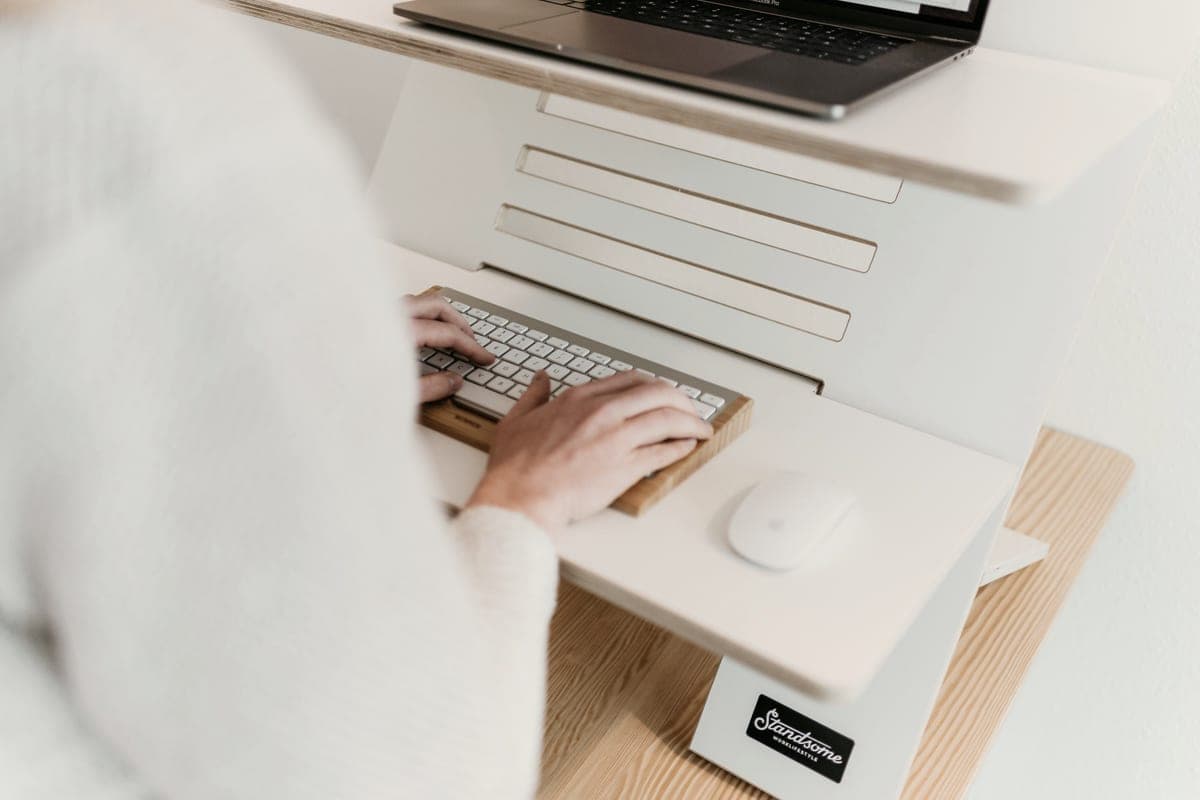
A treadmill desk is two purchases, and the second one is usually the desk. The clearance arithmetic, the real total, and when the answer is no.

No, and the reason is the machine rather than you. What people are usually asking when they ask this, and the seated machines that do that job.
Nobody in this category publishes a running wattage, and the horsepower figures they do publish cannot be electrical. What can honestly be bounded, and how.
Nobody publishes a service life. What they publish is a warranty, and the warranty lengths in this category are shorter than most buyers assume.
KingSmith publishes a code list in its own FAQ. Here it is, with what each code points at, what is safe to try, and where the list stops being useful.
Three different faults get described in the same four words. Which one you have depends on whether it stops under load, stops at random, or takes the circuit with it.
On most of these machines the remote is the only control surface there is. What the app replaces, what it does not, and what to check before buying a spare.
Every KingSmith pad pairs with an app, and none of them knows your weight, your stride or your heart rate. What the app is genuinely for.
A mat creeping across a hard floor is a different fault from a belt slipping under your foot. Which one you have, and the three levers that stop it.
No handrail, no console mast and, on every machine we track, no published safety key. That last absence is the one that matters in a home with small children.
No. Every walking pad we track is a motor, a belt and a plug. But three machines on this site run on nothing at all, and one of them goes under a desk.
Apple says the Activity app reads arm motion. Seated pedaling has none. Which is why your watch shows almost nothing for an hour of it, and what to do instead.
The failure nobody warns you about is not the machine — it is your chair rolling backwards on the first hard stroke. Four measurements, then the order to set it up in.
Only one maker in this category publishes how hard its hardest setting is. Without that figure nobody can tell you what an hour of pedaling costs you, and we will not pretend otherwise.
Three machines, three different paths your foot takes, and not one published stride length between them. What follows from the geometry, and where the honest answer stops.
The smallest and cheapest cardio machine on this site, and the one that asks the most of you. What a stepper is honestly for, and the three buyers it is wrong for.
KingSmith's own FAQ publishes the number its product pages do not: do not run a walking machine for more than an hour at a time, then let it cool for half an hour.
The only maker here that publishes a routine recommends four minutes. And on that machine, high resistance is the setting for a slow pace - which is the opposite of what people assume.
None of the seven seated or standing machines here has a motor, so none needs an outlet. Every one of them has a display, and not one maker publishes how that display is powered.
Propping the back end on blocks is the most common suggestion online and the one no maker supports. Three of the eight pads here publish a real incline figure instead.
KingSmith publishes the numbers its product pages do not: once every three months on two to three sessions a week, one to two drops, and a named list of what never to use.
The workout asks for a 12 percent incline at 3 mph. The only pad here that publishes an incline in percent at all publishes 6 - half of it.
Nobody in this category publishes a parts list, a belt part number or a service network. That absence decides the question before any diagnosis does.

Assembly is the easy part - these arrive built. The real problems are a 40 to 70 lb box the carrier will not take upstairs, an outlet nobody publishes a cord length for, and a remote battery.
A pad measures belt speed and time, so it knows your distance exactly and your step count not at all. The arithmetic it can do, and the one number you have to measure yourself.
The only maker FAQ in this category that addresses the cord and the outlet does not mention extension cords or surge protectors at all - and nobody publishes a cord length either.
KingSmith publishes which of its models are designed to store upright, and not one of the four we track is on the list. What the published folded figures support instead.
One maker publishes a 14 day window, another publishes no number at all - and neither of those policies is the one that governs your purchase. Plus the box you should not throw away.
One maker states that warranty terms may vary by sales channel - and every machine here is bought through a channel. The claim paths, and the app registration that adds 180 days.
For the right buyer, yes - and the deciding problem is not whether the machine works. It is that the best-known maker in the category publishes almost nothing you could check it with.
It is the hydraulic cylinder or one of its pivots. The only maker here that mentions maintaining that cylinder says it is a sealed, maintenance-free part - so the warranty is the whole remedy.
Nobody can tell you, and here is why: the load is the machine plus you, but the pressure depends on the foot contact area - and not one maker in this category publishes it.
The back is not a deck problem, it is a desk problem. A pad raises you four to seven inches, and the tallest desk sold for one tops out at 47 in - which is where the arithmetic gets uncomfortable.
The discount is real and so is what you give up: the published policy text ties coverage to the sales channel you bought through, and a private seller is not one of them.
This is the question that stops apartment purchases, and it is the one the category answers worst. Of the 8 walking pads we track, 2 publish a decibel figure at all. The rest publish adjectives.
Worse, even a truthful motor decibel figure is answering a different question than the one you are asking. Airborne motor noise is not what travels through a floor slab — footfall energy is. That is structure-borne, it is not what a decibel rating at one meter describes, and it is why the mat matters more than the motor. The full explanation, and the models that publish a figure.
Two separate space questions, and reviews usually answer neither. The first is the floor it occupies while you use it, plus a step-off zone behind it. The second, and the one that decides whether you still own it in six months, is where it goes the other twenty-three hours.
Folded heights across the models we track run 4.6 to 5.4 inches and folded lengths 31.8 to 51.2 inches, which is a wide enough spread that “it folds up” tells you almost nothing. Space needed in use and every published dimension are separate pages for that reason.
Almost always yes, and the friction is almost never what people expect. Floor loading is a non-issue — a 50 lb machine plus a walker is trivially within residential floor loading. What actually causes problems is noise complaints and, occasionally, a lease clause about heavy or fixed equipment.
The practical answer involves a mat, sensible hours and a read of your own lease rather than a general rule. What to check, and what to do about the neighbor below.
The answer that gets published everywhere is yes, because the sites publishing it earn a commission when you agree. Ours earns a commission too, so here is the honest version: it depends almost entirely on whether you have somewhere to put it, and on whether you would otherwise walk.
For a desk worker in a small home who does not walk much, it is one of the few pieces of exercise equipment that gets used, because using it costs no extra time. For someone who already walks outside daily, it is a worse version of something free. Including when the answer is no.
Give you health, fitness or medical advice — nobody here is qualified to, and where a question crosses into that territory these pages say so and point you at someone who is. And they will not print a number we could not source. How we source and check every figure.