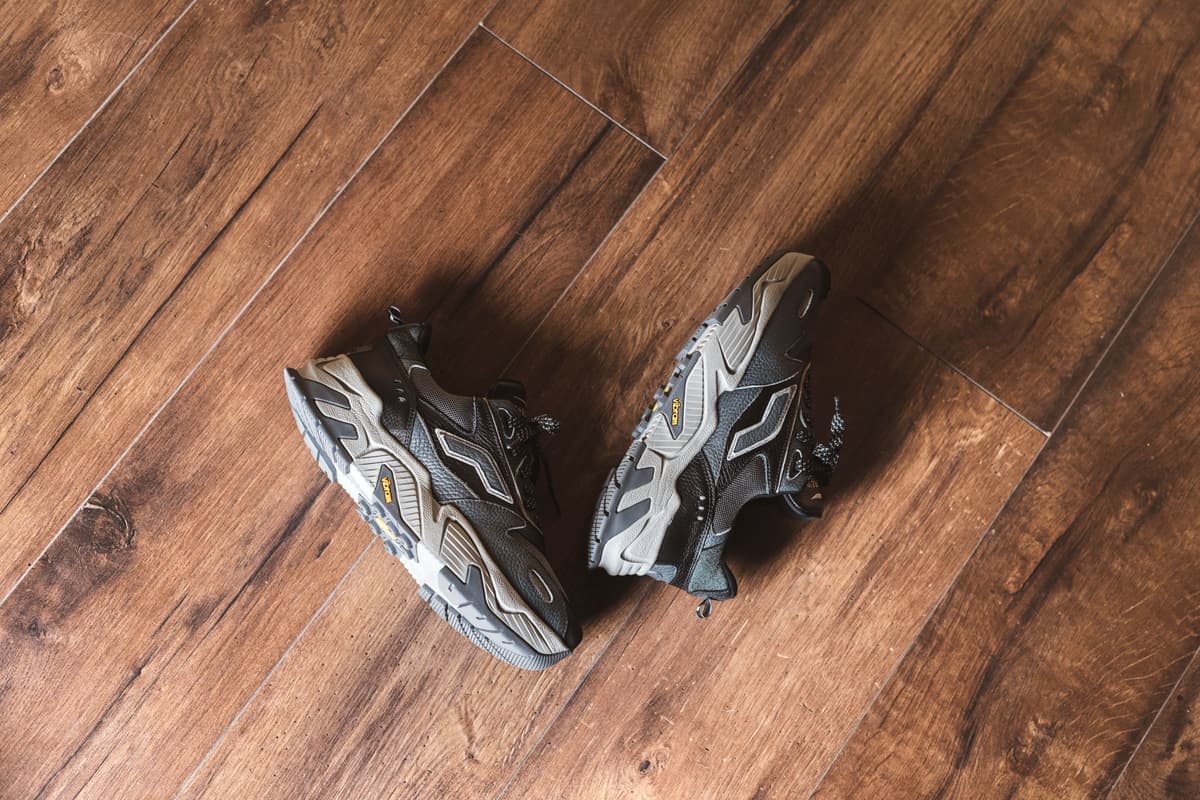
Walking Pad vs Treadmill
Two different machines that get shopped as one. The footprint, deck and speed numbers side by side, and who each one is genuinely for.
Head-to-heads for the decisions small-space buyers actually get stuck on — pad or treadmill, standing or seated, and which of two near-identical KingSmith pads.
By Stephen V. · Last updated
Most buying decisions in this category come down to a fork, not a ranking. You are not choosing between eight machines; you are choosing between two ideas — a pad or a proper treadmill, this model or that one, standing or sitting.
A comparison page here always starts with the specification table, not the argument. The numbers come first because they are what the argument is built from, and because if the table already answers your question you should not have to read a thousand words to get there.
Then the verdict splits by situation rather than declaring a winner. Almost none of these decisions have a general answer — they have an answer that depends on your ceiling height, your closet, your stride, or the floor between you and the person below.
Two different machines that get shopped as one. The footprint, deck and speed numbers side by side, and who each one is genuinely for.
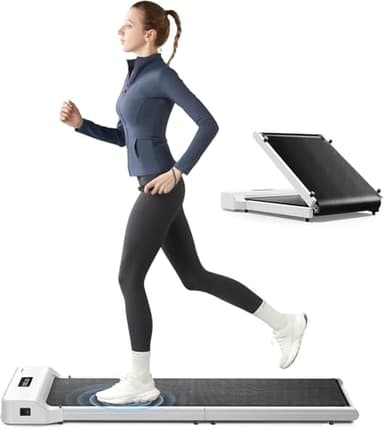
Z1 vs C2
Same brand, 1.6 inches apart in width and 0.7 inches apart folded. Which of those matters depends entirely on where you plan to put it.
Top pick: WalkingPad Z1

One needs floor space and a place to store it; the other needs clearance under your desk. Which constraint you have decides this, not which is better.
Z1 vs A1 Pro
One folds shorter, weighs 12 lb less and carries 12 lb more. The other is the only KingSmith pad with a decibel figure. That is the whole trade.
Top pick: WalkingPad Z1
Z1 vs P1
0.8 inches of belt width against 11 lb of carry weight and 22 lb of capacity. Whether you drift while you type decides which way that goes.
Top pick: WalkingPad Z1
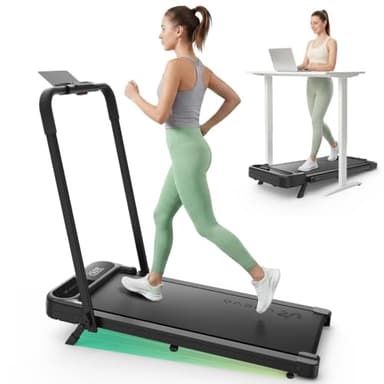
Strol 2E vs Z1
Different brands, opposite folding strategies. One goes flat and long for under a bed; the other goes short and tall for a closet.
Top pick: UREVO Strol 2E
Price as of October 22, 2026. #ad How we’re funded
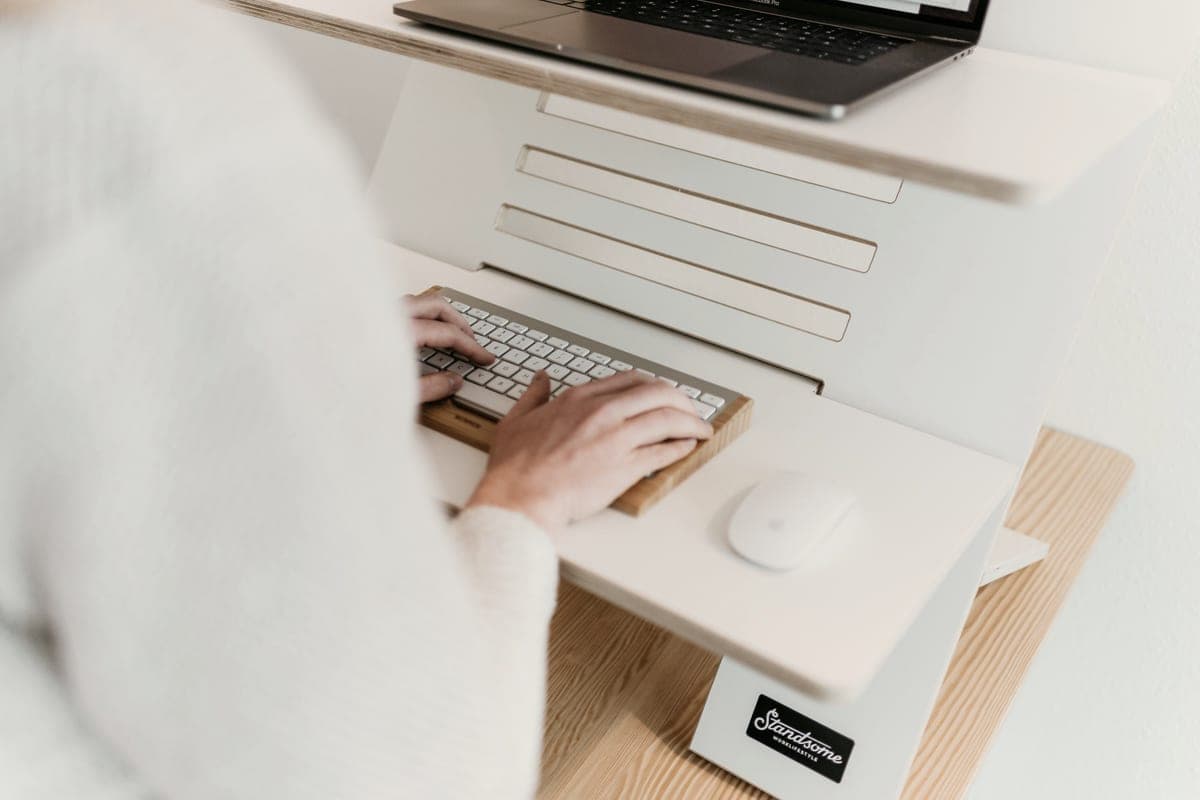
A seated elliptical costs a tenth of the floor space and asks for vertical clearance instead. What you give up is most of the exercise.
Roughly 8.5 square feet of floor against 1.3, and a motor against a pair of hydraulic cylinders. The cheaper machine is not the smaller compromise.
Both go under the same desk and only one of the two shapes fits the apron you actually have. Pedal circle against elliptical stroke, on published height.
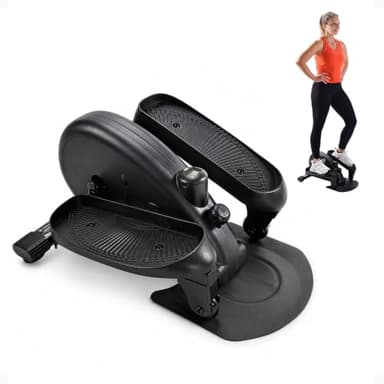
Elliptical vs Stepper
One you sit on and can type through; one lifts your whole body every step. One elliptical maker in two says its machine works standing. No stepper maker says its stepper works seated.
Top pick: Stamina InMotion E1000
Price as of October 22, 2026. #ad How we’re funded
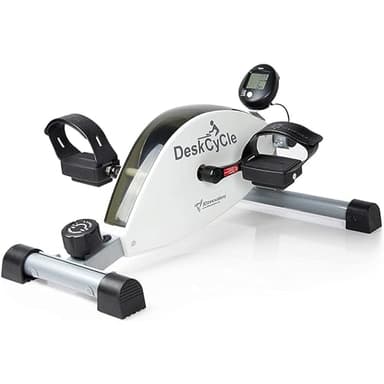
DeskCycle vs Cubii JR1
Same 10 inch height, 6.5 inches apart in width, and a 150 lb user limit on one of them that settles it outright for a lot of buyers.
Top pick: DeskCycle Under Desk Bike Pedal Exerciser
Price as of October 22, 2026. #ad How we’re funded
DeskCycle vs YOSUDA
Sixteen resistance levels and an app against eight levels and a published pedal height. Only one of those two things decides whether it fits your desk.
Top pick: DeskCycle Under Desk Bike Pedal Exerciser
Price as of October 22, 2026. #ad How we’re funded
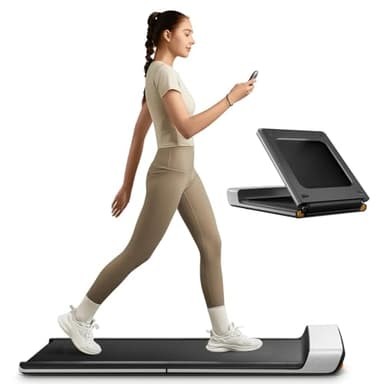
C2 vs P1
Same 220 lb capacity, same 32.5 inch fold, 1.1 inches apart in width. One is built to fit a gap and the other to fit a stride.
Top pick: WalkingPad P1
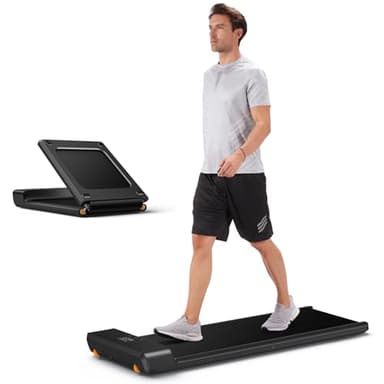
A1 Pro vs P1
The same 47 x 16.5 inch belt on both. One publishes a decibel figure, the other starts at 0.3 mph, and they are a pound apart on the scale.
Top pick: WalkingPad A1 Pro
Price as of October 22, 2026. #ad How we’re funded
C2 vs A1 Pro
The narrowest pad we track against the only KingSmith with a published noise figure. The cheaper machine wins the top speed and loses the number that decides a desk.
Top pick: WalkingPad A1 Pro
Price as of October 22, 2026. #ad How we’re funded
PacerMini vs Z1
The smallest machine on this site against the one that folds shortest. Half a pad with a published decibel figure, or twenty more inches of belt.
Top pick: WalkingPad Z1
Cubii JR1 vs InMotion
Two under-desk ellipticals, 1.38 inches apart in height and 100 lb apart in published user capacity. One of those numbers decides it for most people.
Top pick: Stamina InMotion E1000
Price as of October 22, 2026. #ad How we’re funded
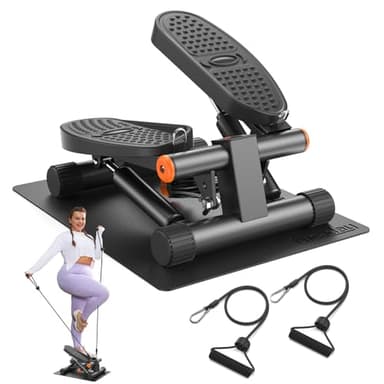
Niceday vs SpaceMate
One is 1.3 square feet with nothing to hold; the other has handlebars, folds flat, and publishes two different assembled sizes on the same spec tab.
Top pick: Niceday Mini Stair Stepper
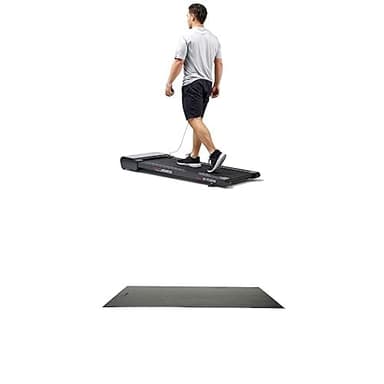
Incline vs Flat
Incline is the most-requested feature in this category and the one that costs you the most desk clearance. What the published deck heights say about that trade.
Top pick: Sunny Health & Fitness TreadPad Sleek Stride (SF-T722069)
Price as of October 22, 2026. #ad How we’re funded
An upright bike never folds and never leaves the room. A pad folds flat but wants 8.5 square feet while it runs. Which one a small apartment can actually keep.
Outside is free and it is better exercise. So the honest question is not which is better, but which one you will actually do on a wet Tuesday in February.
Desk Bike vs Stepper
The last unbuilt pairing in this site's own category matrix. One you pedal sitting down through a working afternoon; one lifts your whole body and cannot be done at a desk at all.
Top pick: DeskCycle Under Desk Bike Pedal Exerciser
Price as of October 22, 2026. #ad How we’re funded
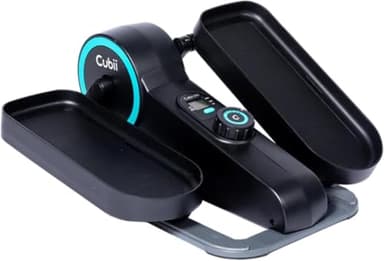
Cubii Move vs JR1
The difference that decides it is not a specification. Cubii still sells the Move and no longer lists the JR1 in its own elliptical range, while Amazon sells the JR1 with a user weight limit Cubii has never published.
Top pick: Cubii Move
Price as of October 22, 2026. #ad How we’re funded
UREVO vs WalkingPad
The cross-brand pairing people actually type. One is the narrowest pad on the site; the other is the lightest, the fastest and the only one with a handle. Width decides it before anything else does.
Top pick: UREVO Strol 2E
Price as of October 22, 2026. #ad How we’re funded
DeerRun vs UREVO
A 300 lb capacity and an incline against a complete specification sheet. This is not a spec-for-spec comparison, because only one of these two machines publishes enough specs to have one.
Top pick: UREVO Strol 2E
Price as of October 22, 2026. #ad How we’re funded
Pedaling vs Walking
Four seated machines and a stepper measured against the thing they are standing in for. The honest answer splits on what you are replacing - a walk you would have taken, or sitting still.
Top pick: DeskCycle Under Desk Bike Pedal Exerciser
Price as of October 22, 2026. #ad How we’re funded
Desk Bike vs Exercise Bike
An under-desk pedaler is not a small exercise bike. There is no saddle, so your body weight never loads the pedals - and that single structural difference explains every specification gap below.
Top pick: DeskCycle Under Desk Bike Pedal Exerciser
Price as of October 22, 2026. #ad How we’re funded
Pad vs Standing Desk
Shopped as alternatives, bought as a pair. A pad raises you four to seven inches, and that is height a fixed desk cannot give back - so the order you buy them in is the real question.
Top pick: WalkingPad Z1
Current Models, Head to Head
The Move is 1.88 inches lower, which is the figure a fixed desk turns on. The Stamina is the only one of the two whose maker publishes a capacity, a warranty or a use position at all.
Top pick: Stamina InMotion E1000
Price as of October 22, 2026. #ad How we’re funded
Spec Sheet vs No Spec Sheet
DeerRun publishes the highest capacity figure on this site and not one dimension. The Z1 publishes every dimension and 58 lb less capacity. For a small space, that resolves against the bigger number.
Top pick: WalkingPad Z1
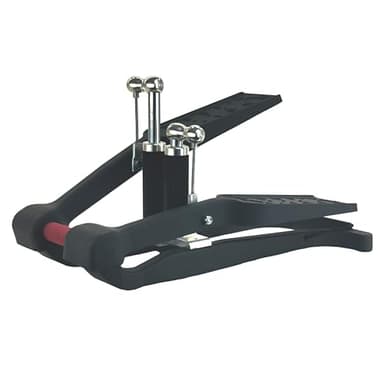
Stepper Head to Head
The most expensive machine on this site against the smallest. The expensive one publishes fewer figures and still wins - on a 400 lb capacity and 5 years of parts and labor.
Top pick: Xiser Commercial Mini Stairmaster
Price as of October 22, 2026. #ad How we’re funded
Pad vs Rower
A rower's maker publishes the floor it needs to be used: 9 ft by 4 ft. A pad needs about 8.6 square feet and then folds to five inches - and a folding rower just stands up.
Top pick: WalkingPad Z1
These get shopped as one product and are not one product. A treadmill is a running machine with a handrail frame, a longer deck, real incline, and a footprint that does not go away. A walking pad is a walking machine that folds. The speed ceilings alone separate them: most pads top out between 3 and 4 mph, which is a brisk walk, while a treadmill runs to 10 or 12.
The honest version of this decision is not about which machine is better — it is about whether you will run. If you will, a pad is the wrong purchase at any price. The full comparison.
Two pads from the same maker, separated by 1.6 inches of width and 0.7 inches of folded length. Those sound like rounding errors and they are not: 20.4 inches versus 22 inches is the difference between a closet taking it and not, and it comes at the cost of belt width.
This is the comparison where the tables do the most work, because the two machines are so close that a general recommendation is meaningless. The answer is whichever number matches the constraint you actually have. Side by side.
A walking pad and an under-desk bike are answering different questions. The pad asks for floor space and somewhere to store it. The bike asks for vertical clearance under a desk you already own. Neither is a compromise version of the other and neither is universally better — you have one of those two constraints, and it decides.
The one place the comparison is not close: a seated pedal machine recruits far less of you than standing and walking does. If you have the space, the pad is the better machine. The comparison, including the clearance arithmetic.
KingSmith sells four pads that share a folding mechanism, a speed class and most of a footprint, and the differences between them are small enough to hold in one hand. The Z1 is the lightest and carries the most; the P1 has the widest belt and the slowest crawl speed; the A1 Pro is the P1 with the only published decibel figure in the range.
Those are genuinely close decisions, which is exactly why they get their own tables rather than a paragraph. Z1 vs P1 settles belt width against carry weight; Z1 vs A1 Pro asks what a published noise figure is actually worth.
The least obvious fork on this hub, and the one that catches people out. Pads that fold in half come down to roughly 32 inches long and get taller doing it; pads that fold flat stay 48 to 58 inches long and get very low. Neither is smaller. They are different shapes, and only one of them fits the space you actually have. Strol 2E vs Z1 is that decision in full, and pad vs seated elliptical is where it goes when the honest answer is that no folded shape fits.
It will not tell you which one feels better to walk on, which belt is more forgiving, or which will still be running in three years. Those are use questions and we have not used these machines. Where a comparison genuinely cannot be settled from published data, the page says so and stops rather than filling the gap with an impression. Our full method.